
Two Hurdles in PowerShell Remoting: Double-Hop Authentication and the $using: Scope
Invoke-Command reaches the server but dies on the file share, and remote blocks can't see your variables. Both problems, both fixes.
Invoke-Command reaches the server but dies on the file share, and remote blocks can't see your variables. Both problems, both fixes.
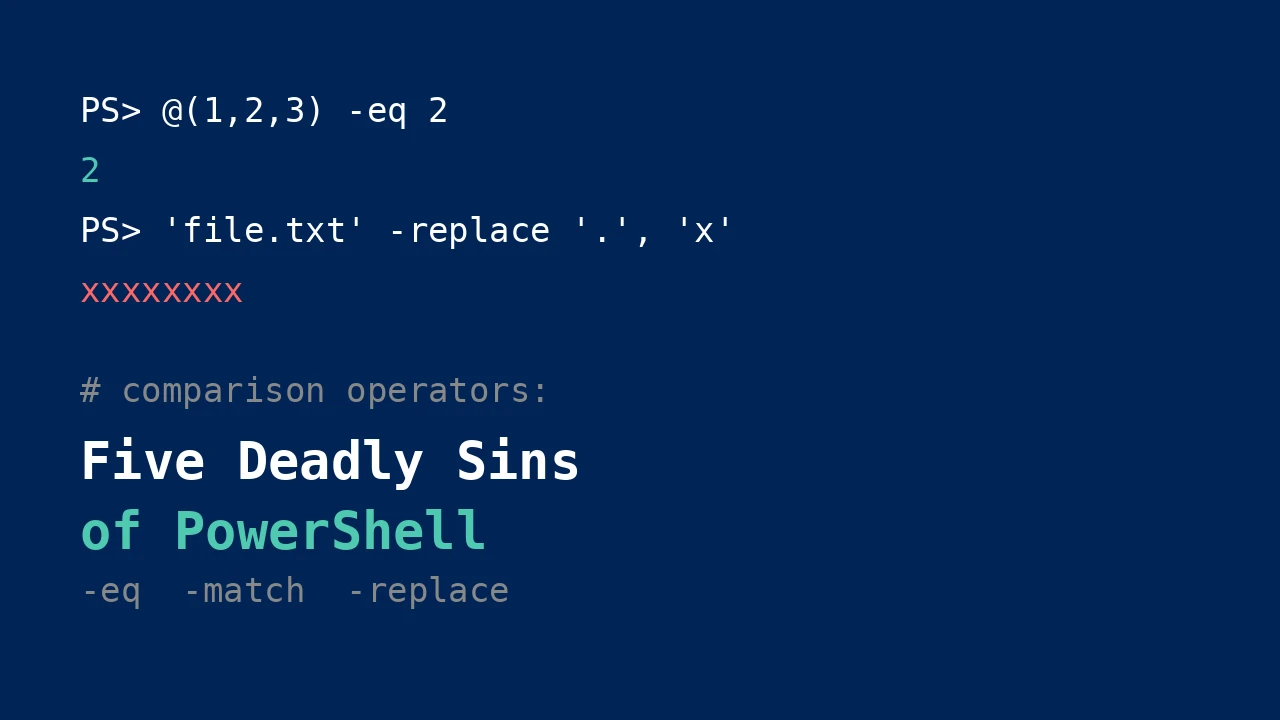
PowerShell comparison operators look familiar but behave like nothing in C# or Python: collections become filters, $null has a seating order, and -replace speaks regex.
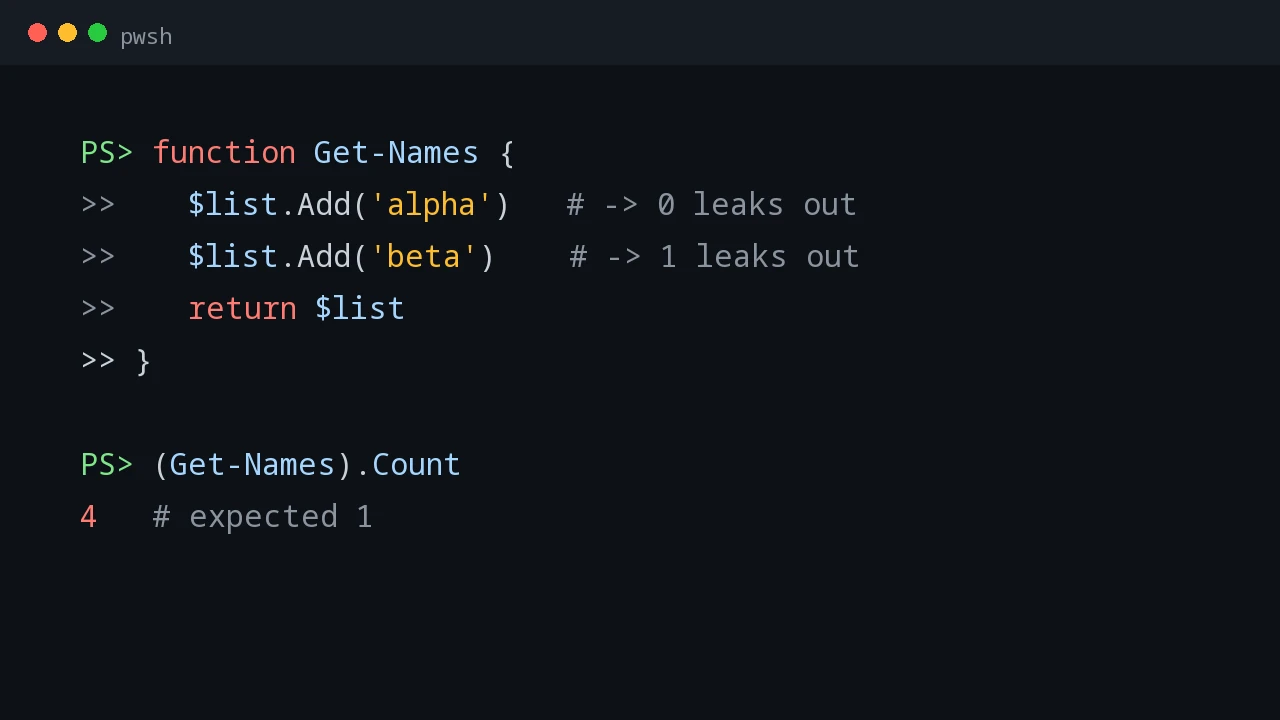
return $x is just $x plus an exit. Everything your function did not swallow becomes the return value, and that breaks scripts.
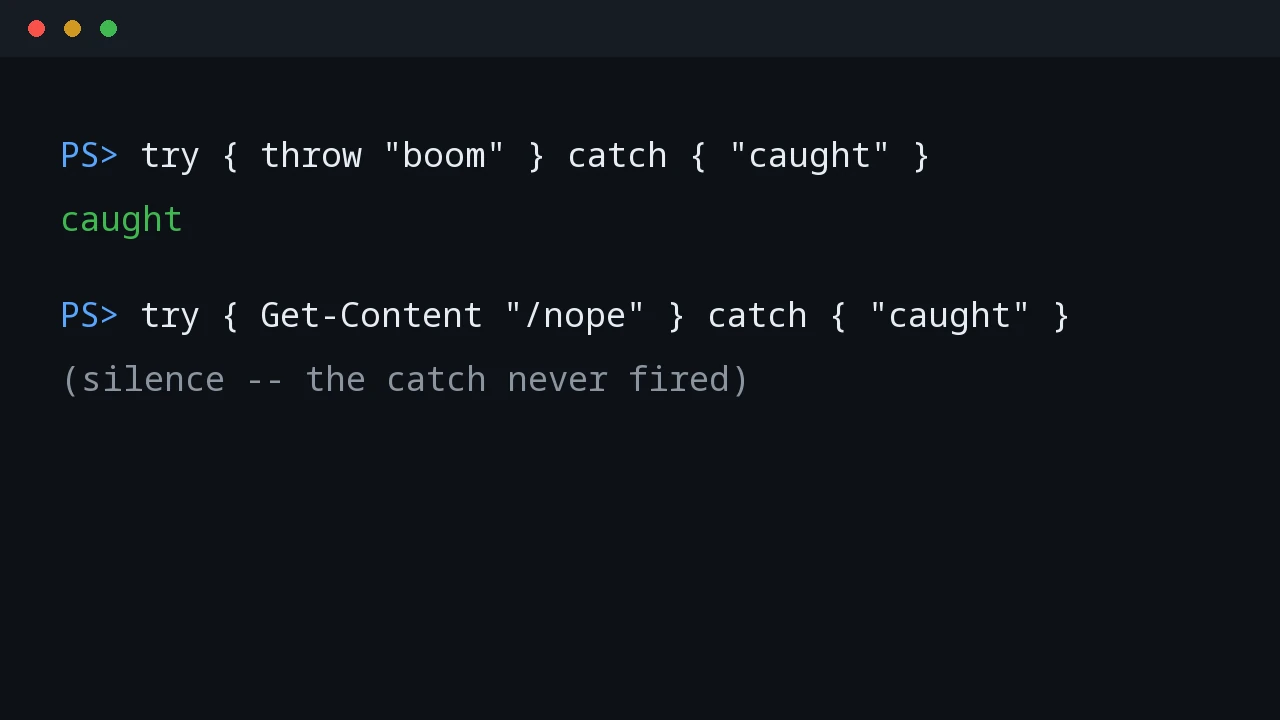
try/catch only sees terminating errors. Non-terminating errors and native exit codes sail past it. The mechanism and the decision tree.
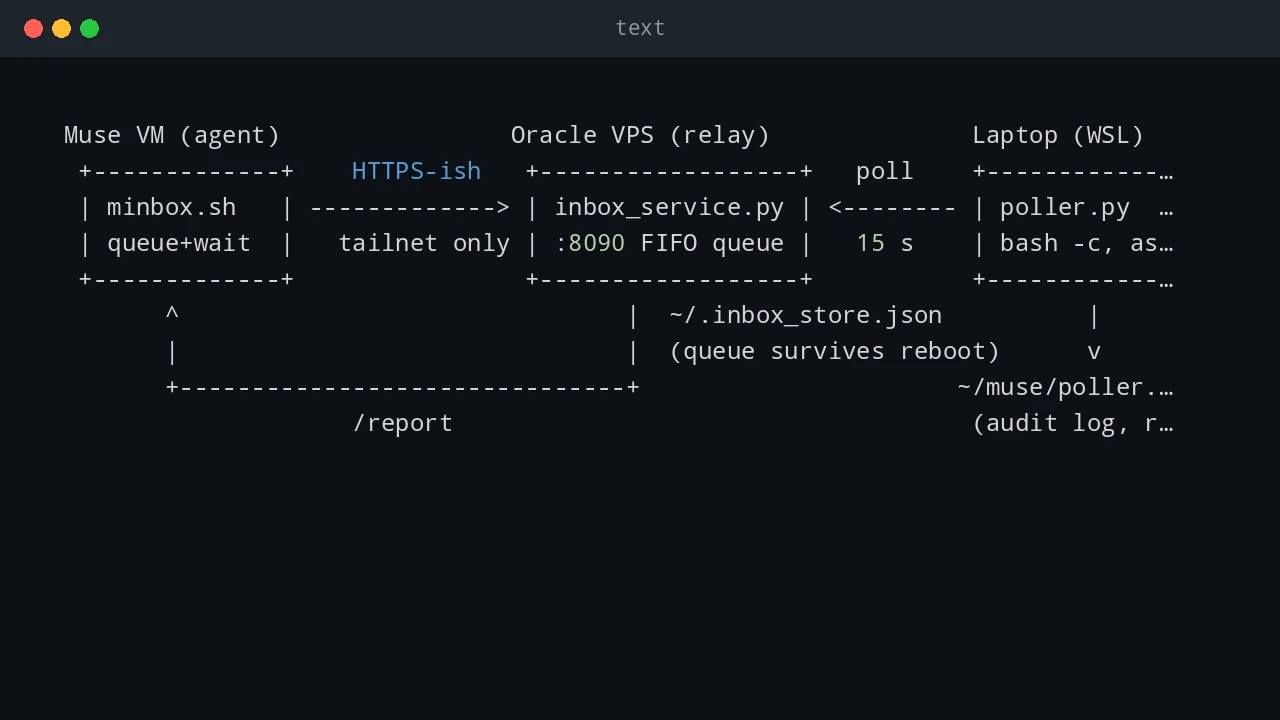
A persistent, bidirectional command channel between an AI agent VM, a small VPS relay, and a Windows laptop's WSL — what each piece does, how to set it up, and the dozen pitfalls I actually hit.
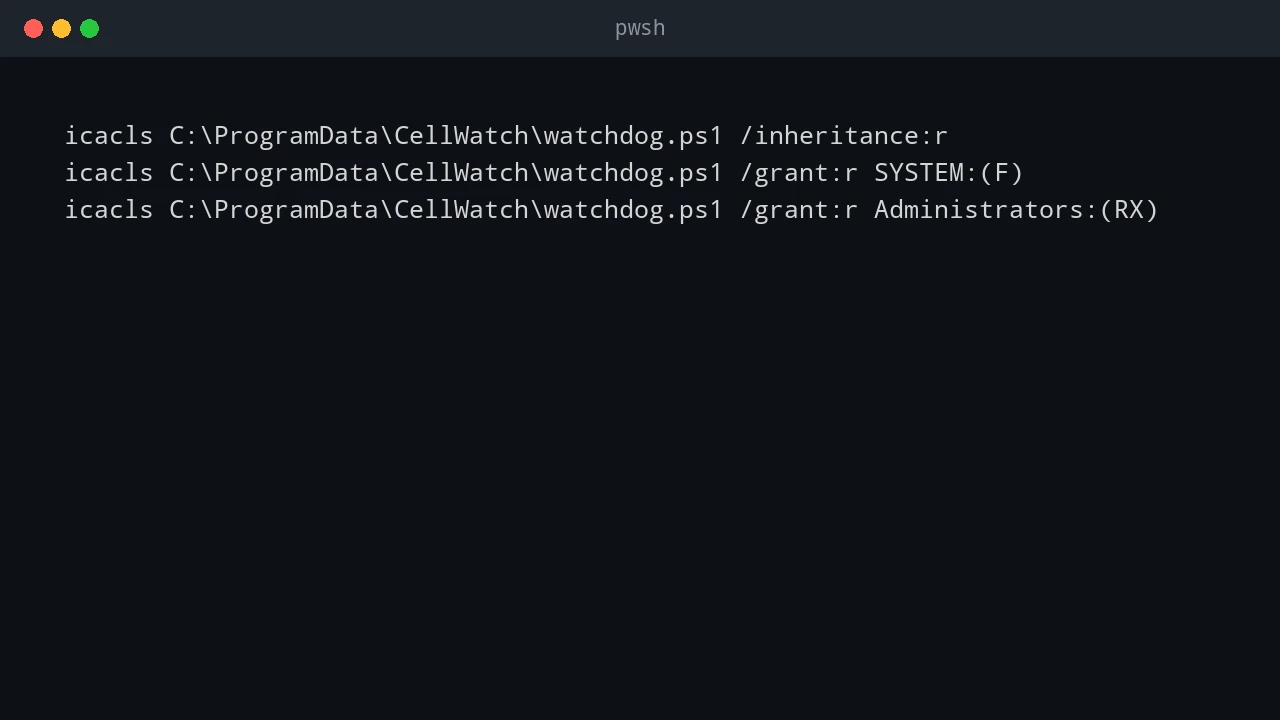
A scheduled PowerShell script running as SYSTEM is a high-value target. Lock it down with NTFS ACLs, code signing, auditing, and central deployment.
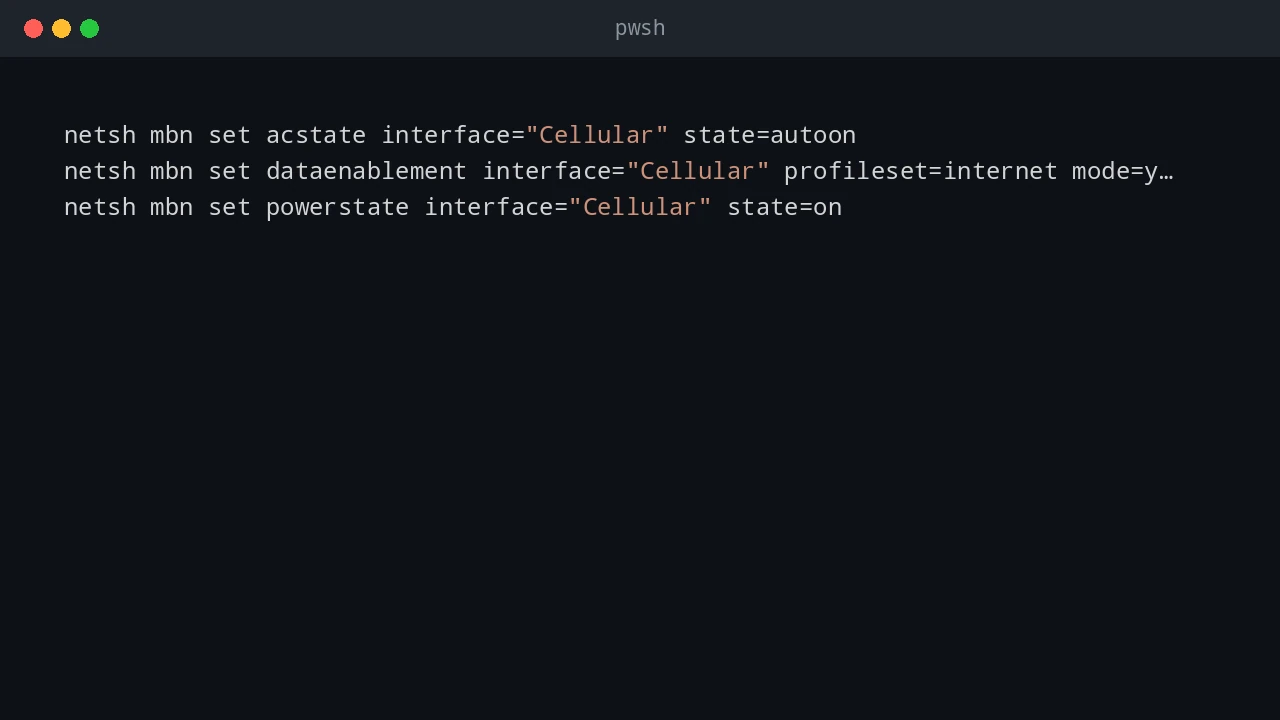
A scheduled PowerShell watchdog that checks the Windows WWAN APN every 5 minutes and reinstalls the profile and reconnects when it drifts.
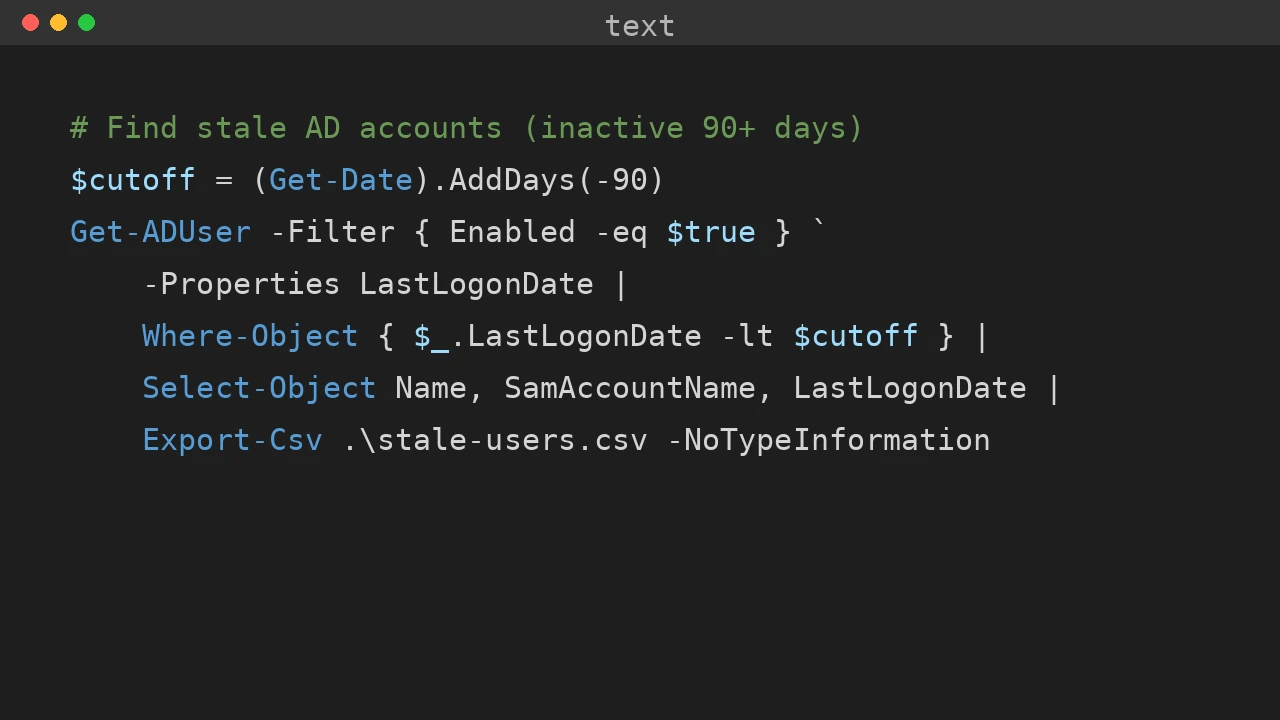
50 field-tested PowerShell tips: console habits, remoting, AD one-liners, disk and network checks, and the performance gotchas that bite.
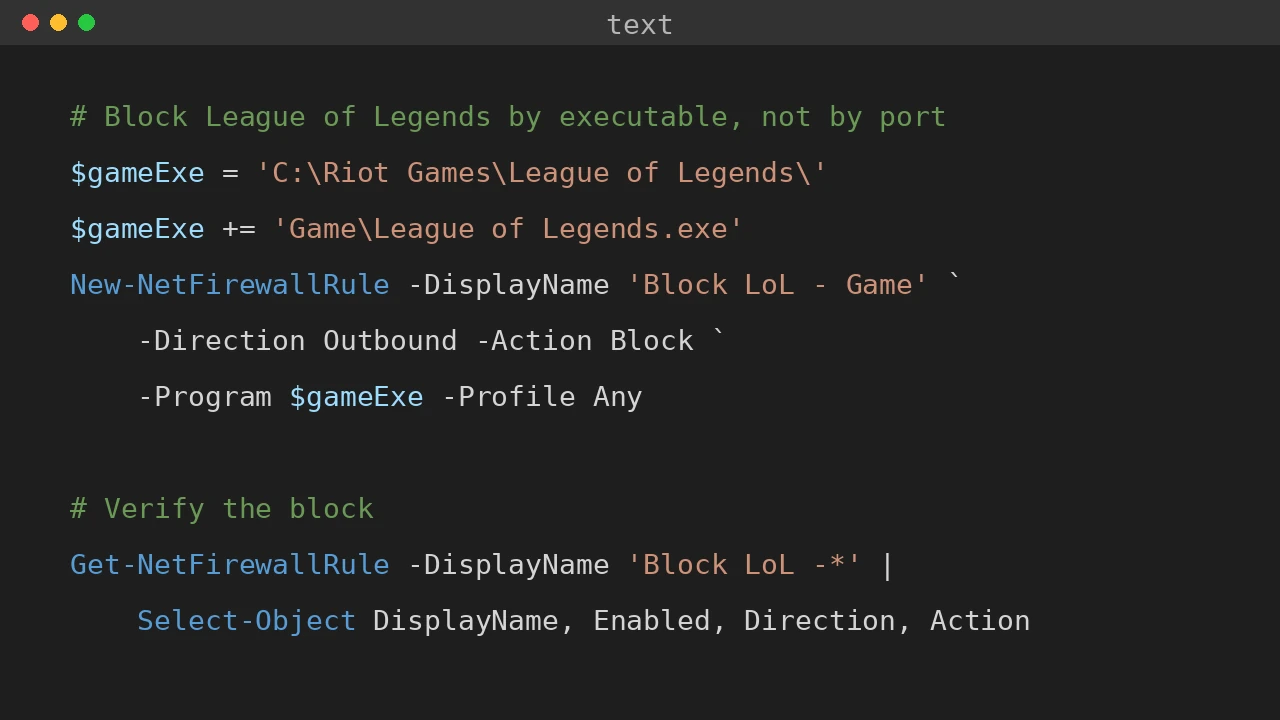
Router port blocking can't stop League of Legends. Here's why it fails — and a PowerShell script that blocks it with Windows Firewall app rules, demotes the user to standard, and deploys over PSSession or SSH.
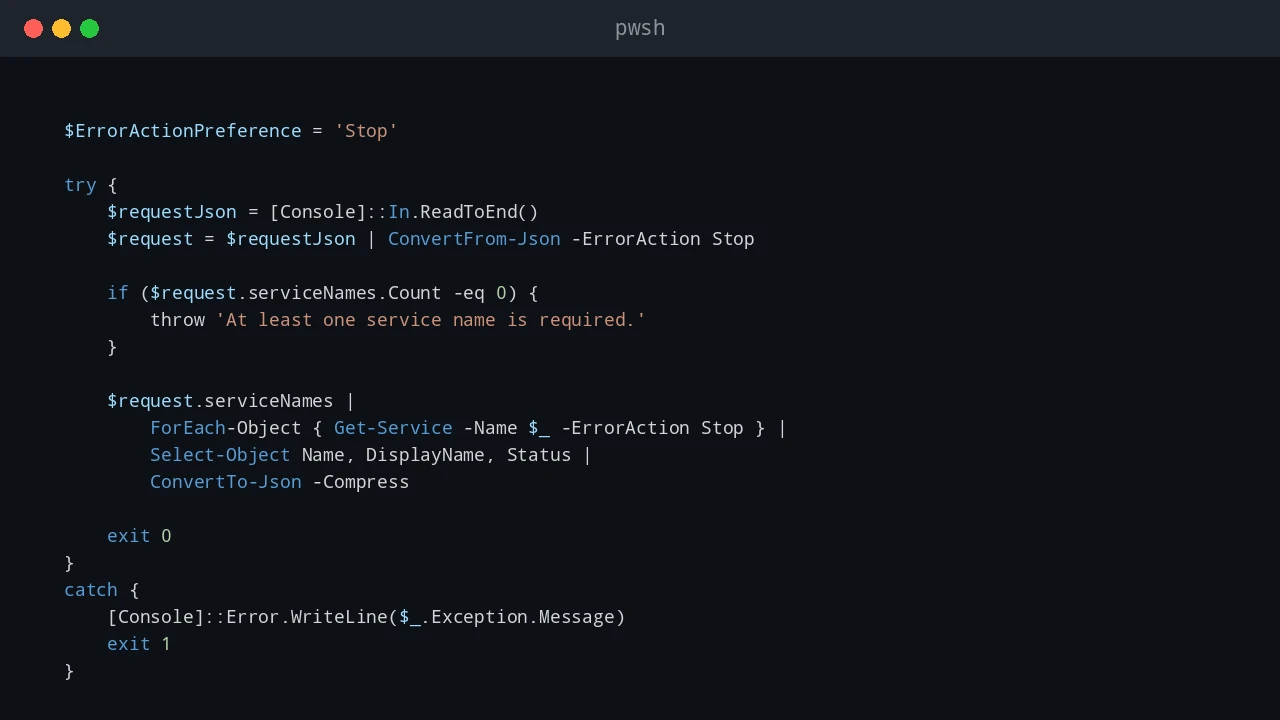
Call a parameterized PowerShell script from Go on Windows with safe arguments, JSON output, timeouts, and reliable exit-code handling.